Blog

Blog

Blog

Blog

Blog

Optometry Medical Group Blog
Learn more about optometry care in our blog!

Driving through Seattle on dark, rainy evenings can be challenging, especially when headlights, streetlights, and reflections from wet roads interfere with your vision. Whether you're commuting through downtown Seattle or navigating busy intersections after sunset, excessive glare can make it harder to see comfortably. At Optometry Medical Group, we help patients find eyewear solutions that support clearer vision, including anti-reflective lenses designed to reduce distracting reflections.

Fall can bring welcome changes in weather, but it can also make dry eye symptoms harder to manage. Cooler air, wind, indoor heating, seasonal allergies, and increased screen time can all affect the tear film that keeps your eyes comfortable and protected. At Optometry Medical Group, we can evaluate what is contributing to your symptoms and help determine when professional dry eye care may be appropriate.
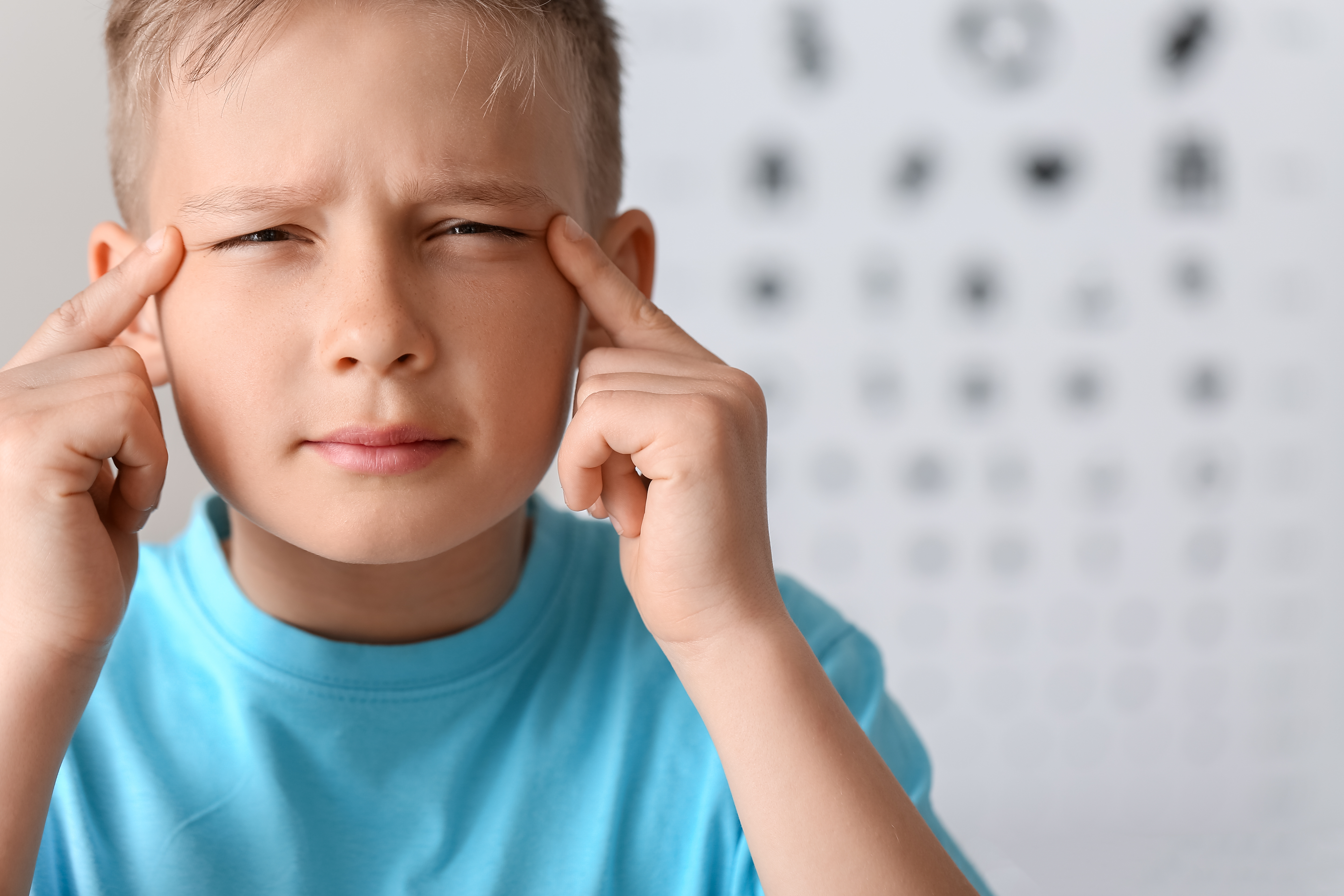
If your child regularly squints to see the classroom board, sits closer to the television, or complains that distant objects look blurry, myopia may be developing. Myopia, also called nearsightedness, makes far-away objects difficult to see clearly while near vision often remains sharp. At Optometry Medical Group in Seattle, we provide pediatric eye exams and personalized myopia management to identify these changes early and help protect your child’s developing vision.

Sunglasses are more than a seasonal accessory. They help protect your eyes from ultraviolet radiation while improving comfort in bright conditions. For patients who need vision correction, prescription sunglasses provide clear vision and UV protection in one convenient pair. At Optometry Medical Group, we help patients choose prescription sunglasses that fit their vision needs, lifestyle, and personal style.

Summer around Lake Washington means brighter days, more glare off the water, and more time spent outdoors. Whether you are boating, biking, walking along the shore, driving through Seattle, or spending weekends outside with family, your eyes need more than standard eyewear can usually provide.

Healthy eyes depend on more than clear vision. The foods you eat can support the retina, tear film, blood vessels, and other parts of the eye that help you see comfortably and clearly. While nutrition cannot prevent every eye condition, it can play an important role in maintaining long-term eye health.

Our eyes can do more than help us see clearly - they can also reveal early signs of broader health concerns. During a comprehensive eye exam, we are not only checking your vision. We are also evaluating the blood vessels, optic nerve, retina, and other structures that may show changes linked to systemic conditions. At Optometry Medical Group, we help patients in Seattle understand how eye health and overall health often connect.

Choosing the right glasses frames is about more than looks. The best pair should match your personal style, fit comfortably, and support your day-to-day routine. At Quick Nav Optometry Medical Group, we help patients find eyewear that works for both fashion and function.

Protecting your long-term eye health starts with understanding the risks you face every day. Ultraviolet (UV) rays can contribute to serious vision problems over time, yet many people don’t realize their eyes need consistent sun protection. Transition lenses offer a convenient solution, combining clear indoor vision with automatic UV-blocking protection outdoors.

Artificial tears and lubricating eye drops are among the most commonly recommended treatments for dry eye symptoms. Patients often ask, “How often should I use them?” The answer depends on several factors, including the type of eye drop you’re using, the severity of your symptoms, and the underlying cause of your dry eye.


Our Services
Rainier
Phone: (206) 322-6915
Fax: (206) 395-2315
- Monday Closed
- Tuesday 9:00 AM - 5:00 PM
- Wednesday 9:00 AM - 5:00 PM
- Thursday 9:00 AM - 5:00 PM
- Friday 9:00 AM - 5:00 PM
- Saturday 9:00 AM - 5:00 PM
- Sunday Closed
Madison
Phone: (206) 395-2285
Fax: (206) 395-2329
- Monday Closed
- Tuesday 9:00 AM - 5:00 PM
- Wednesday 9:00 AM - 5:00 PM
- Thursday 9:00 AM - 5:00 PM
- Friday 9:00 AM - 5:00 PM
- Saturday 9:00 AM - 5:00 PM
- Sunday Closed
© 2026 Optometry Medical Group. All rights Reserved. Accessibility Statement - Privacy Policy - Sitemap
Powered by:
