The Role of Nutrition in Maintaining Healthy Eyes

The Role of Nutrition in Maintaining Healthy Eyes

The Role of Nutrition in Maintaining Healthy Eyes

The Role of Nutrition in Maintaining Healthy Eyes

The Role of Nutrition in Maintaining Healthy Eyes

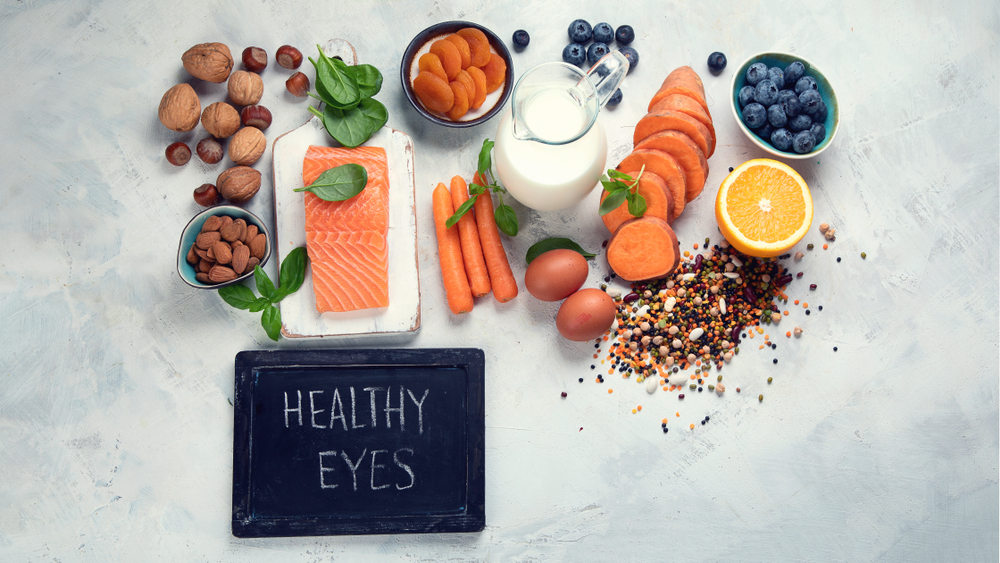
Healthy eyes depend on more than clear vision. The foods you eat can support the retina, tear film, blood vessels, and other parts of the eye that help you see comfortably and clearly. While nutrition cannot prevent every eye condition, it can play an important role in maintaining long-term eye health. At Optometry Medical Group, we encourage our patients to think of eye care as part of their overall wellness. A balanced diet, healthy daily habits, and routine comprehensive eye exams all work together to support your vision. Certain vitamins, minerals, and antioxidants are especially helpful for healthy eyes. Vitamin A supports the surface of the eye and helps with night vision. Vitamin C and vitamin E help protect eye cells from oxidative stress. Zinc supports the retina, while omega-3 fatty acids can help support a stable tear film. Lutein and zeaxanthin are also important because they are found in the macula, the part of the retina responsible for sharp central vision. These nutrients are commonly found in leafy green vegetables and other colorful foods. A nutrient-rich diet does not need to be complicated. Many foods that support healthy eyes also support your heart, brain, and overall health. Foods that can help maintain healthy eyes include: Adding more of these foods consistently can help give your eyes the nutrients they need to function well. As we age, the risk of certain eye conditions can increase. Good nutrition may help support the eyes by promoting healthy blood flow and helping protect delicate eye tissues from everyday stress. Patients with a family history of eye disease, diabetes, high blood pressure, or noticeable vision changes should be especially proactive. A healthy diet is valuable, but it is most effective when paired with regular eye exams that allow us to monitor changes early. Hydration also plays a role in eye comfort. When the body is dehydrated, the tear film may become less stable, which can contribute to dryness, burning, or irritation. Drinking enough water and eating foods rich in omega-3 fatty acids may help support tear quality. If dry eye symptoms continue, nutrition alone may not be enough. An eye exam can help us determine whether allergies, inflammation, meibomian gland dysfunction, screen use, or another issue is contributing to your discomfort. Eating well is a strong step toward healthier eyes, but it does not replace professional eye care. Many eye conditions can develop quietly before symptoms become obvious. A comprehensive eye exam allows us to check your vision, eye pressure, retina, and overall eye health. We can also talk with you about how your health history, medications, lifestyle, and nutrition may affect your eyes, then provide guidance that fits your needs. To learn more about nutrition and healthy eyes, contact Optometry Medical Group in Seattle, WA by calling our Rainier office at (206) 322-6915 or our Madison office at (206) 395-2285.Why Nutrition Matters For Your Vision
Key Nutrients That Support Eye Health
Eye-Friendly Foods To Add To Your Diet
Nutrition And Age-Related Eye Health
Hydration And Dry Eye Comfort
Healthy Habits Work Best With Routine Eye Exams


Our Services
Rainier
Phone: (206) 322-6915
Fax: (206) 395-2315
- Monday Closed
- Tuesday 9:00 AM - 5:00 PM
- Wednesday 9:00 AM - 5:00 PM
- Thursday 9:00 AM - 5:00 PM
- Friday 9:00 AM - 5:00 PM
- Saturday 9:00 AM - 5:00 PM
- Sunday Closed
Madison
Phone: (206) 395-2285
Fax: (206) 395-2329
- Monday Closed
- Tuesday 9:00 AM - 5:00 PM
- Wednesday 9:00 AM - 5:00 PM
- Thursday 9:00 AM - 5:00 PM
- Friday 9:00 AM - 5:00 PM
- Saturday 9:00 AM - 5:00 PM
- Sunday Closed
© 2026 Optometry Medical Group. All rights Reserved. Accessibility Statement - Privacy Policy - Sitemap
Powered by:
